
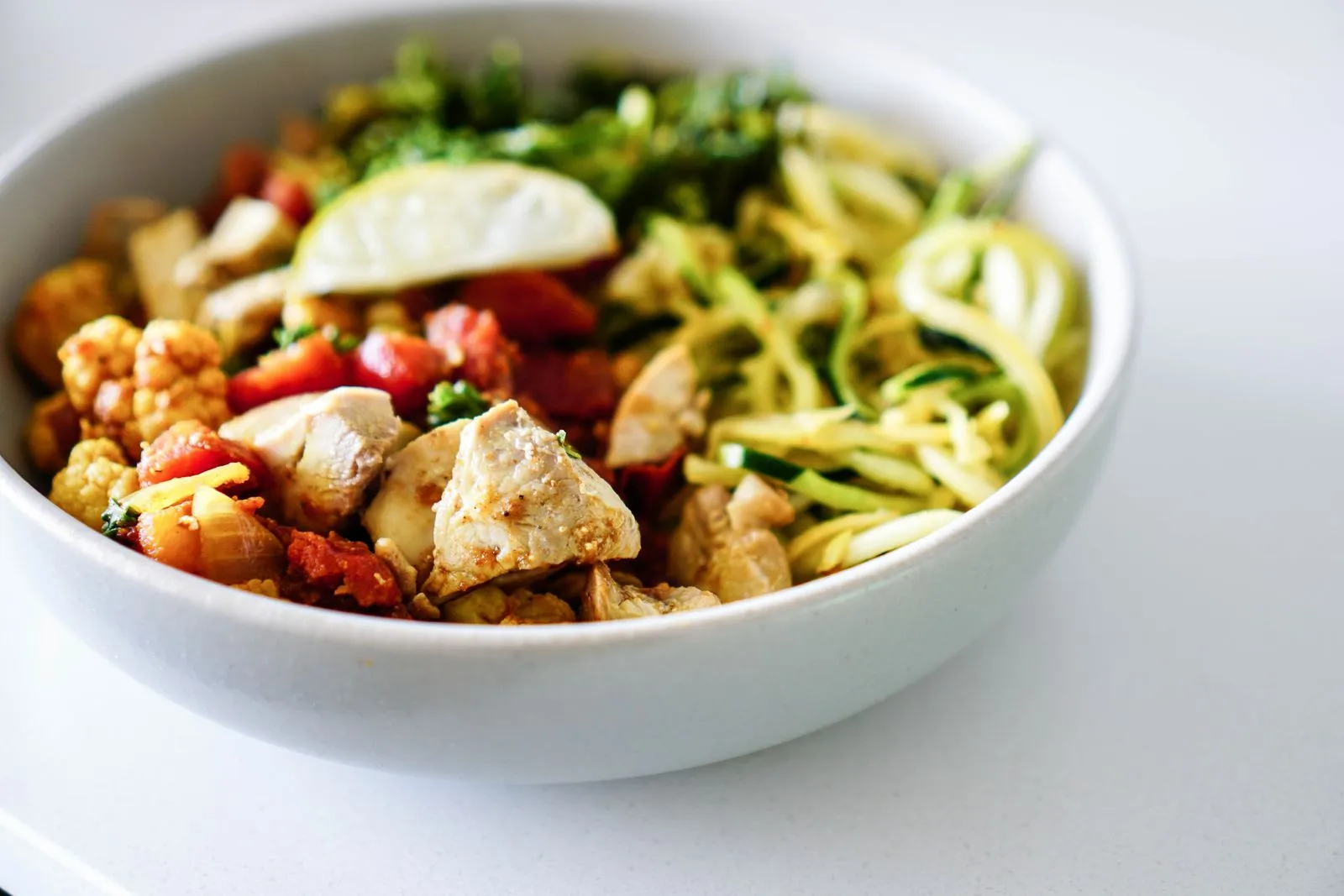
A useful meal prep plan makes weekday eating easier without making every meal identical. Start by thinking about the days you need meals, how much time you have, and what you actually enjoy eating. Then build a flexible mix of protein, vegetables, grains or other filling carbohydrates, and flavorful extras. With a few simple choices, you can prepare enough to stay organized while leaving room for fresh meals and changing plans.
Choose portions that satisfy
Use your appetite and daily routine as a guide rather than trying to make every container the same size. A practical starting point is to fill about half your meal with vegetables, then divide the rest between a protein food and a filling carbohydrate such as rice, potatoes, beans, or whole grains. Adjust those proportions based on hunger, activity, and what makes the meal satisfying for you.
Think about how you will use each meal. A desk lunch may need a sturdy, filling base, while a lighter dinner might call for extra vegetables and a smaller portion of grains. If you are unsure, prepare components separately and portion them when serving. That makes it easier to add more food when you need it without committing your whole batch to one fixed serving size.
Build variety into the week
Variety does not require cooking a different recipe every day. Choose two proteins, two or three vegetables, and a couple of grains or other filling bases, then combine them in different ways. For example, roasted vegetables can go with a grain bowl one day and a wrap the next. Herbs, dressings, salsa, or a squeeze of citrus can also change the flavor without adding another full cooking project.
Mix colors, textures, and cooking methods to keep meals appealing. Pair something crisp with something soft, or add a fresh ingredient such as greens or sliced cucumber just before eating. Check what is already in your kitchen before shopping, and choose ingredients that can work across several meals. This reduces forgotten leftovers and makes your grocery list easier to manage.
Plan around real weekdays
Map out the meals you need before choosing recipes. Include workdays, appointments, meals away from home, and evenings when cooking will be realistic. You may only need prepared lunches and a few ready-to-heat dinners. Leave some open space in the plan for leftovers, a simple meal, or a change of plans instead of preparing food for every possible occasion.
Match the prep task to the time you have. On a busy day, cook one batch of a grain, roast a tray of vegetables, and prepare a protein that can be used in several meals. On a more relaxed day, make sauces or assemble freezer-friendly portions. Keep ingredients that are best freshly prepared, such as delicate greens, separate until serving so they stay appealing.
Store and adjust thoughtfully
Let cooked food cool safely before storing it in clean, covered containers, and refrigerate or freeze it promptly. Label containers with the meal or preparation date so you can use older portions first. Follow current food-safety guidance for storage times, and freeze portions you do not expect to eat soon rather than relying on guesswork.
Treat the first plan as a trial. At the end of the week, note which meals were satisfying, what ingredients went unused, and when you ran short. Next time, change quantities or swap a recipe instead of rebuilding the whole plan. Bristol Batch can help if you want locally sourced prepared meals as part of a week that still reflects your preferences.
A balanced meal prep plan starts with the meals you genuinely need, then combines flexible portions, varied ingredients, and a realistic prep schedule. Keep what works and adjust what does not each week. If you would like help adding locally sourced meals to your routine, explore options that fit your week.